
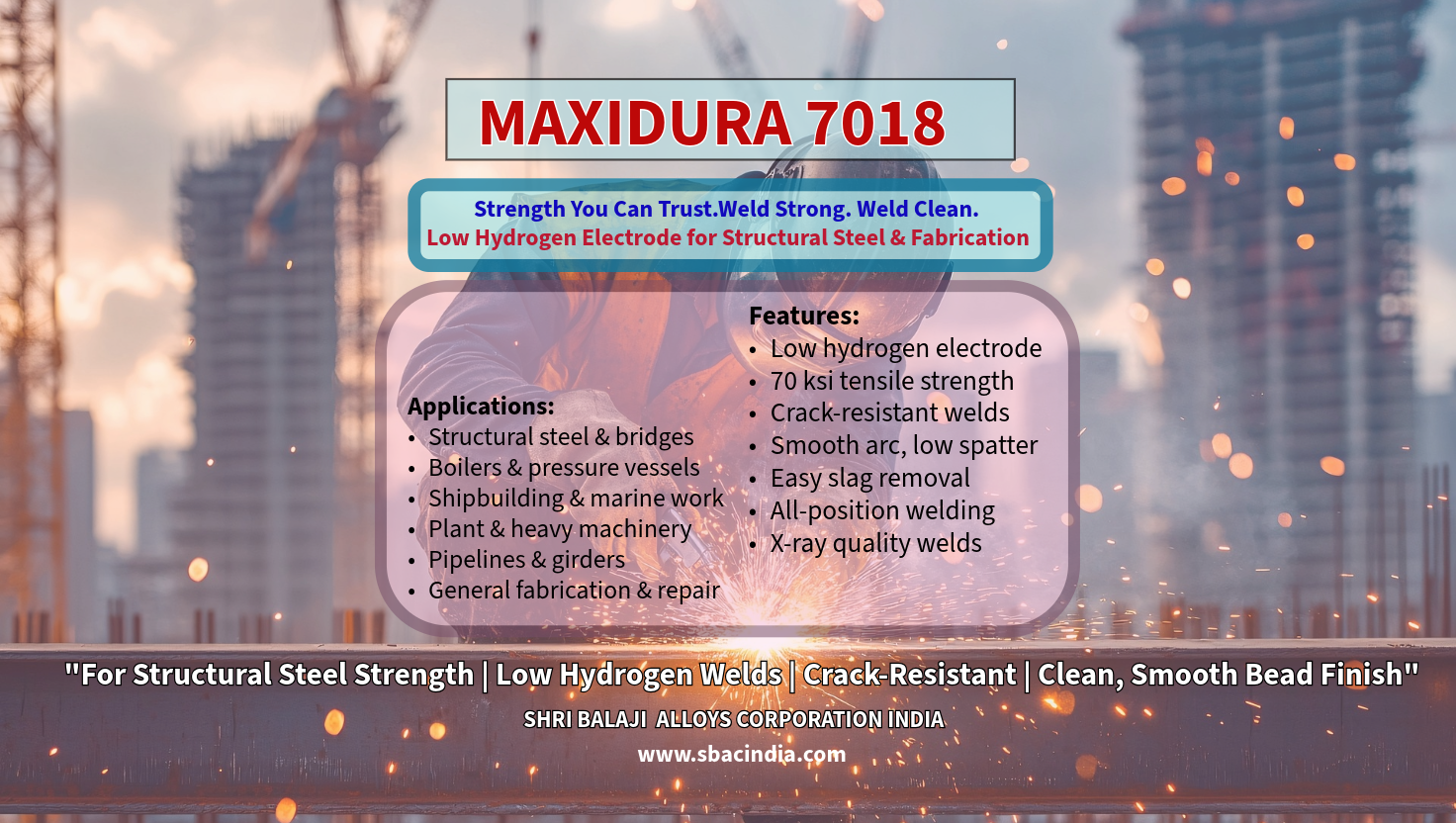
MAXIDURA 7018 – Low Hydrogen Welding Electrode for Structural and Industrial Applications
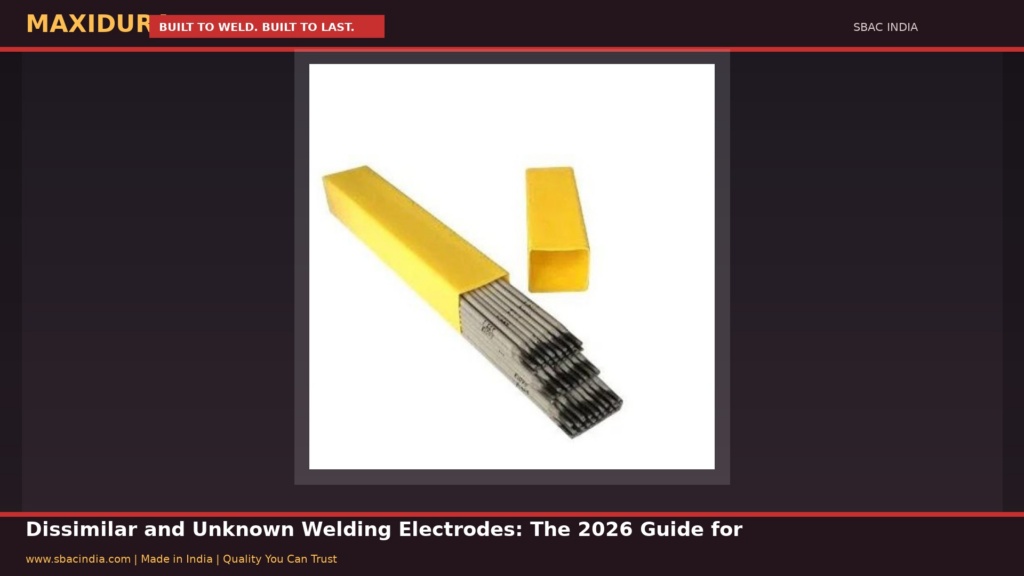
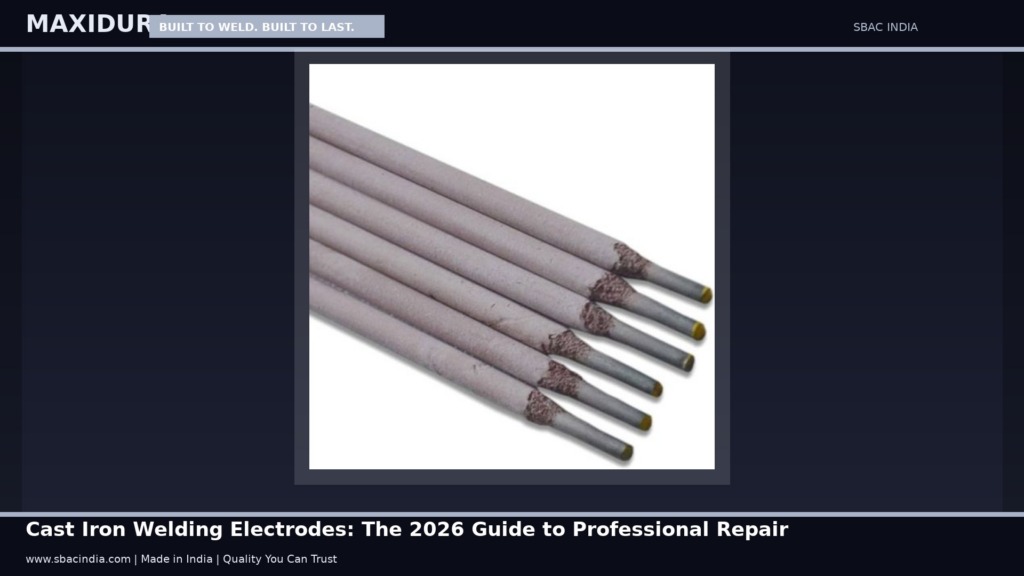
In structural welding and heavy fabrication, reliability and weld integrity are critical. MAXIDURA 7018 is a low hydrogen welding electrode designed to provide strong, ductile, and crack-resistant welds. With its stable arc, smooth bead profile, and X-ray quality results, this electrode is trusted across industries like construction, steel fabrication, shipbuilding, and pressure vessel manufacturing.
Why MAXIDURA 7018?
The unique low-hydrogen coating of MAXIDURA 7018 minimizes the risk of hydrogen-induced cracking, which is one of the biggest challenges in structural steel welding. It offers a combination of high tensile strength, ease of use, and reliable performance in all welding positions (except vertical-down).
Key advantages include:
-
70 ksi tensile strength suitable for structural projects
-
Low hydrogen content for superior crack resistance
-
Smooth, stable arc with minimal spatter
-
Easy slag removal and clean weld bead appearance
-
High deposition efficiency due to iron-powder coating
Technical Specifications
-
Type: Low-hydrogen, iron-powder-coated SMAW electrode
-
Polarity: DCEP preferred, usable on AC with 70 V OCV or higher
-
Strength Class: 70 ksi tensile strength
-
Sizes and Amperage Range:
-
2.5 mm → 70–100 A
-
3.2 mm → 90–130 A
-
4.0 mm → 120–170 A
-
5.0 mm → 160–220 A
-
-
Redrying Condition: 300 °C for 1 hour if moisture absorption occurs
Applications of MAXIDURA 7018
MAXIDURA 7018 is suitable for critical joints where weld quality cannot be compromised. Its crack resistance and clean weld finish make it an essential choice for:
-
Structural steel fabrication, including bridges, beams, and heavy frames
-
Pressure vessels and boilers in the power and process industries
-
Shipbuilding and marine structures exposed to dynamic stresses
-
Plant and machinery fabrication, such as frames, brackets, and supports
-
General engineering applications, including pipelines, girders, and plates
Storage and Redrying Guidelines
Since MAXIDURA 7018 is a low hydrogen electrode, proper storage is essential to maintain its performance.
-
Keep electrodes in a holding oven at 100–150 °C during use
-
Redry at 300 °C for 1 hour if moisture absorption is suspected
-
Use within 4–8 hours of removal from the oven for consistent results
Welding Technique Recommendations
-
Maintain a short arc length to avoid porosity
-
For vertical-up welding, use a slight weave to ensure sidewall fusion
-
Always clean the base metal of rust, oil, and contaminants before welding
-
Control preheat and interpass temperature as required by the base material and WPS
MAXIDURA 7018 vs Other Electrodes
-
E6013: Good for thin sheets but not suitable for critical welds due to higher hydrogen content
-
E7016: A low hydrogen electrode, but deposition rate is lower compared to 7018
-
E7018-1: A modified version of 7018 with improved toughness at sub-zero temperatures
Related Electrodes
If your application requires wear protection instead of structural strength, explore:
Conclusion
MAXIDURA 7018 combines low hydrogen technology, high strength, and reliable performance for structural and heavy industrial applications. Whether it is welding bridges, boilers, or heavy machinery, MAXIDURA 7018 ensures crack-free, durable welds with a superior finish. For fabrication projects where safety and quality cannot be compromised, MAXIDURA 7018 is the electrode you can trust.